Naughty Little Ghoul: A Designer’s Honest Take Before You Stitch
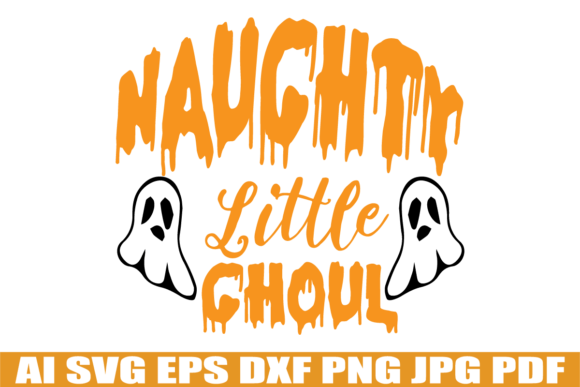
When I first opened the Naughty Little Ghoul design file, I was looking at a piece that had immediate personality. The name alone tells you this isn’t a sweet, pastel Halloween motif. It has a playful, mischievous edge that feels refreshing in a market full of predictable jack-o’-lanterns and friendly ghosts. As someone who tests embroidery files before committing them to client projects or shop inventory, I want to know how a design reads at different sizes, how it behaves on various fabrics, and whether it actually delivers that mood once it’s stitched out. Here is my practical evaluation of this design for real embroidery use.
A Design That Knows Its Attitude
The first thing that struck me about Naughty Little Ghoul is its confident silhouette. The character has a distinct shape that doesn’t get lost in unnecessary clutter. The visual personality is cheeky without being crude, which makes it workable for both kids’ items and adult novelty gifts. The lines are deliberate, and the overall composition feels balanced. From a designer’s perspective, this is the kind of graphic that reads well when embroidered because it relies on clear shapes rather than tiny, fragile details that can disappear into the fabric.
Because the file comes in AI, SVG, PNG, JPG, DXF, PDF, and EPS formats, I can easily bring it into my embroidery digitizing software and adjust stitch types, density, and thread colors without starting from scratch. This flexibility is critical when you are preparing a design for multiple product types. Whether I plan to use it as a satin-stitch patch or a fill-stitch tote design, having vector source files means I control the final embroidery result.
Testing It on a Real Project: The Tote Bag Scenario
I decided to test Naughty Little Ghoul on a mid-weight cotton tote bag. Tote bags are a staple in my small shop line because they sell year-round and allow me to offer both seasonal and evergreen designs. For this project, I wanted to see how the design would behave with a combination of satin stitch for the outline and a light fill stitch for the body of the character.
After importing the SVG into my digitizing software, I adjusted the stitch density to avoid a heavy, stiff result. The design stitched cleanly at about a five-inch width, which is a comfortable size for a tote bag front. The details held up well, and the mischievous expression was clearly visible after the first test stitch. I used a medium-weight cutaway stabilizer, which is my go-to for cotton bags, and the design sat smoothly on the fabric without puckering.
The real test came when I transferred the design to a dark-colored sweatshirt. On dark fabric, contrast becomes everything. Because Naughty Little Ghoul relies on a clear shape rather than layered shading, it popped nicely against the black background. I used a light gray underlay and white thread for the main stitches, and the design read clearly from across a room. That kind of visibility matters when you are producing apparel for craft fairs or Etsy orders where first impressions happen fast.
Where This Design Performs Best
Based on my stitching tests, Naughty Little Ghoul is versatile enough for several product categories, but it truly shines in a few specific applications.
- Custom apparel: Sweatshirts, t-shirts, and hoodies are natural homes for this design. The playful mood works well for casual wear, and the shape sits nicely on chest or back placements.
- Embroidered patches: Because the design has a strong silhouette, it makes an excellent patch. You can stitch it with a satin border and sew it onto bags, jackets, or hats.
- Personalized gifts: Pillow covers, tea towels, and baby blankets take on a fun personality with this motif. It makes a memorable gift for someone who appreciates quirky decor.
- Holiday and seasonal merchandise: For small shop owners, this design fits nicely into Halloween or fall collections without blending in with every other ghost motif.
- Digital product previews: Because you have PNG and JPG formats, you can create printable mockups for listing photos or social media posts without stitching out the design first. That saves time during product development.
The design also works well for crafters who want to use it beyond embroidery. The included file formats make it easy to use for scrapbooking, vinyl decals, stencil templates, and card making. That gives you more ways to monetize the asset across different product types if you are selling finished items or design assets.
Where to Use It Carefully
No design is perfect for every situation, and Naughty Little Ghoul has a few points that deserve attention before you commit to a large production run.
Small hoop sizes: If you are working with a 4x4 hoop, you will need to reduce the design size. At smaller scales, the details may become too tight for clean stitching. I recommend testing at different sizes on scrap fabric before stitching your final product. If you have a larger hoop, the design handles scaling up well without losing its presence.
Thin or stretchy fabric: On lightweight knits or single-knit t-shirts, the stitch density can cause puckering if you don’t use the right stabilizer. I suggest a tear-away or cutaway stabilizer depending on the fabric weight, and always test a sample first. For stretchy fabrics like ribbed cuffs or baby onesies, a stabilizer with more body will help the design stay crisp.
Curved surfaces like caps: This design has a balanced shape, but the curve of a cap can distort the character’s expression if it is placed too far to the side. Center placement on a cap front works best, and you may need to adjust the design’s angle in your software to match the curve of the brim. Test on a practice cap before stitching a customer order.
Dark or heavily textured fabrics: While the design reads well on dark backgrounds, textured fabrics like fleece or boucle can blur the edges. Use a dense underlay and keep the thread contrast high. White or bright thread on dark fabric gives the best result.
Products that need frequent washing: If you are embroidering items like kitchen towels or baby bibs, choose a sturdy thread and a tight stitch density. Loose stitches may snag or pull over time. A satin stitch outline with a fill stitch interior holds up well through repeated laundering when properly stabilized.
Practical Designer Notes for a Clean Stitch-Out
Before you add Naughty Little Ghoul to your production lineup, here are the practical steps I take with any new embroidery design file.
- Test on scrap fabric first. I always stitch a sample on a fabric similar to my final product. This reveals any issues with stitch density, thread tension, or design scaling before I risk a customer item.
- Check thread color contrast. The design’s mood changes dramatically with thread color. A bright orange or lime green gives it a playful Halloween feel, while black or dark purple makes it more edgy. Test at least two colorways to see which one sells best in your shop.
- Review stitch density. If the design feels too dense, reduce the fill stitch percentage or switch to a satin stitch for smaller areas. This keeps the embroidery soft and wearable.
- Confirm hoop size. Make sure the design fits comfortably within your hoop with room for fabric handling. Cramming a design too close to the hoop edge can cause shifting.
- Test in black and white mockups. Before stitching, view the design in grayscale to see if the contrast between elements is strong. This helps you catch areas where light and dark thread might blend together.
- Compare light and dark fabric backgrounds. A design that looks perfect on white fabric may disappear on a dark background. Adjust your thread colors accordingly.
- Use proper stabilizer. For most woven and knit fabrics, a medium-weight cutaway stabilizer gives reliable results. For patches, a heavy tear-away works well.
- Check licensing before selling. Since this design is available in multiple file formats and can be used for many purposes, confirm the license terms for commercial use, especially if you plan to sell finished embroidered products or digital files. This protects your business and your customers.
How This Design Affects Your Product Value
In my experience, the best designs for a craft business are the ones that make people stop scrolling and start imagining the final product. Naughty Little Ghoul has that quality. The visual personality is memorable, and the shape translates well into stitched form. When customers see a finished tote or sweatshirt with this design, they immediately understand the mood. That kind of clarity builds trust and makes your handmade products feel intentional rather than generic.
For Etsy sellers and boutique owners, this design fits into a niche that sells consistently. Halloween and fall-themed items have a strong seasonal window, but the playful, slightly rebellious tone of this design can also appeal to customers who want year-round novelty apparel. The file format flexibility means you can produce both physical products and digital assets, such as printable mockups or design bundles, from a single purchase.
One thing I appreciate is that the design does not rely on excessive detail to be effective. In embroidery, less is often more. A design that tries to pack too many tiny elements into a small hoop usually ends up looking muddy after stitching. Naughty Little Ghoul avoids that trap by keeping the composition clear and the shapes readable. That makes it suitable for both beginners who are still learning digitizing adjustments and experienced embroiderers who want a reliable design for quick production runs.
Final Thoughts from the Stitch-Out Table
After testing Naughty Little Ghoul on multiple fabric types and product formats, I can say it is a solid addition to any embroiderer’s library, especially if you sell seasonal or novelty items. The design holds up well in real stitching conditions, offers enough flexibility for different applications, and brings a fun, distinctive mood that customers respond to.
My advice is to start with a test stitch on a tote bag or sweatshirt, play with thread colors to match your shop’s aesthetic, and then scale it into patches or smaller items only after you have confirmed the stitch quality at smaller sizes. The file formats give you room to adapt the design for both embroidery and other craft uses, like vinyl decals or card making, which expands the return on your purchase.
If you are looking for a design that brings personality to your handmade products without causing stitching headaches, Naughty Little Ghoul deserves a spot in your next production run. Test it, tweak it, and let that mischievous little character do the talking for your next seasonal collection.